The Boxy vs Slouchy Handbag Shapes: A Closer Look
Salvatore Ferragamo has spent decades refining the vocabulary of Italian leather goods, and nowhere is that fluency more visible than in the tension between two design philosophies: the disciplined geometry of structured bags and the loose, laid-back comfort of slouchy forms.
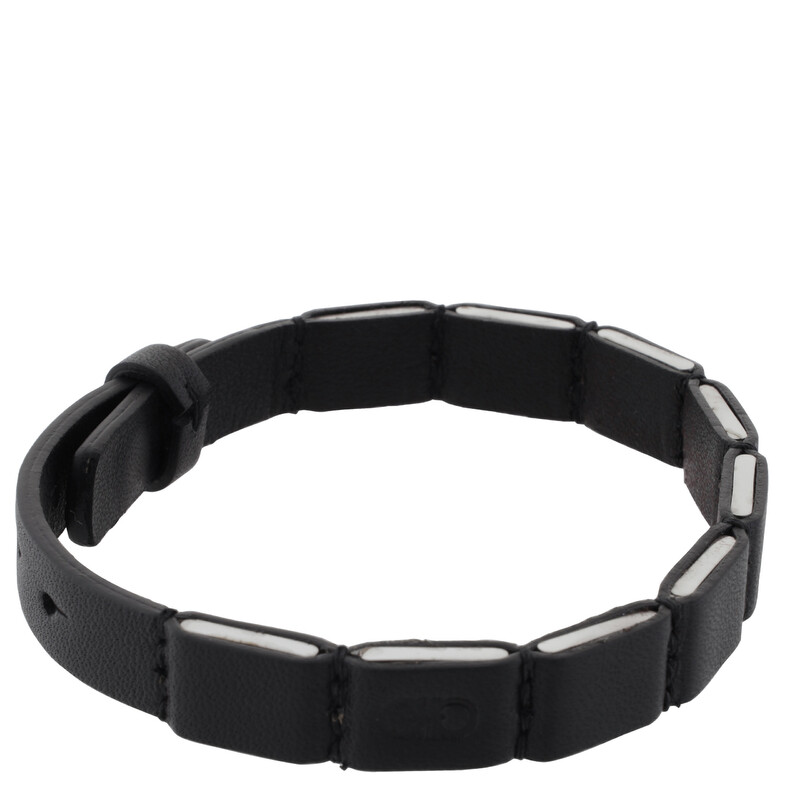
Anyone who looks through a Ferragamo shop today will notice that the label avoids favoring either style; instead, it crafts twin accessory collections—one rooted in architecture, the other in movement.
Recognizing this contrast counts if you aim to select a piece that will actually earn its keep in everyday use rather than remain tucked away unused.
This difference isn’t superficial. Structured styles rely on inner frameworks, reinforced panels, and precise stitching to keep a set silhouette regardless of how much you cram inside them. Slouchier styles take the reverse approach, built from more supple leathers and looser construction so the bag folds and settles differently depending on how you tote it. Both approaches appear throughout the latest Ferragamo bags range, and each has devoted fans for entirely distinct reasons. What follows dissects what distinguishes one from the other, where the construction differs, and which styles from the brand’s current catalogue favor each category.
The Actual Definition of “Structured” From the Lens of Construction Terms
A structured Ferragamo bag generally begins with a stiff foundation, commonly supported by a dense structural insert or dense foam insert stitched in between two layers of leather. Thanks to this, the bag can remain upright on a table without tipping over or losing its shape. The Ferragamo Studio bag, the most evident case in today’s collection, owes its angular form, crisp edges, and top handle entirely to this internal framework. Remove the stiffening ferragamo studio shoulder bag and the same leather would simply fold flat.
Hardware plays a bigger role in structured pieces than people expect. Because unsupported leather can’t handle recurring strain at one spot without warping or ripping eventually, these hardware elements all require a sturdy body to be secured to. That’s why structured bags from Salvatore Ferragamo tend to feature more substantial closures, whereas slouchy styles rely more on zips or magnetic snaps that don’t require the same anchoring strength.
Leather selection changes too. Structured designs typically use full-grain or slightly refined hides that maintain a fold line precisely where it’s cut, giving that crisp, almost sculptural edge. That’s one reason structured bags come out looking so consistent in photos — the silhouette stays the same from photo to photo, which is significant for a Ferragamo shop that wants to represent a product faithfully on its site. Weight is the compromise here; structured bags tend to weigh more than their slouchy equivalents because of the internal reinforcement.
On top of that, bags with a defined structure tend to hold their resale value more reliably. Since the silhouette won’t break down the way soft leather can slump or wrinkle with age, a structured Salvatore bag purchased today is more likely to look presentable in five years with minimal upkeep. For anyone viewing a Ferragamo bag as a durable, long-range purchase rather than a seasonal purchase, this is a practical consideration.
The Reason Behind a Slouchy Cut Makes Sense: Comfort, Softness, and Real-Life Usefulness
Rigidity is swapped for wearability in slouchy bags, and this exchange brings real upsides. A more supple leather, frequently napa leather or a lightly pebbled calfskin, flexes in sync with the body rather than fighting it, which explains why softly draped hobo and shoulder bags remain popular for everyday travel. The Ferragamo Wanda, in its softer iterations, exemplifies this — it expands to hold more without looking overstuffed, since the hide is designed to give rather than resist.
How weight is distributed changes with a relaxed, unstructured design as well. Reduced heaviness comes from having less internal hardware and stiffening material, and this matters over an eight-hour workday when the bag remains balanced on a single shoulder. People comparing the best Ferragamo bags for travel often gravitate toward softer-shaped options specifically because they compress slightly to be packed within carry-on luggage without holding a fixed, space-consuming shape.
Aesthetics also come into play, the aesthetic argument matters too. Buyers who want their Salvatore Ferragamo bags to sit quietly within day-to-day looks rather than announce themselves find a natural fit in relaxed, unstructured bags, which read as more casual and less overtly “logo-forward.” That loose, easy drape pairs especially well with denim, tailored trousers, and other looks where a stiff, angular bag would jar against the rest of the look.
One thing worth noting is an aspect of durability that deserves an honest mention. Softer leather hides tends toward visible folds and fine wrinkling over the course of ownership, especially if the bag is regularly left empty or stored improperly. That’s not to say it breaks down at a faster rate structurally speaking, but the visual character will alter more visibly than a stiffer-constructed style. Those hoping for a slouchy bag to look nearly new after extended years in rotation need to pay closer attention to packing it out with tissue during storage.
Setting Side by Side the Two Approaches Head to Head
So the distinction feels less abstract, it’s useful to look at how rigid and relaxed Ferragamo bags typically compare across the factors that matter most to a real buyer: shape retention, weight, everyday flexibility, and how they age.
| Consideration | Structured Designs | Slouch-Leaning Designs |
|---|---|---|
| Silhouette hold | Maintains a unchanging form no matter what’s inside | Form changes depending on how it’s loaded and held |
| Typical weight | Denser due to inner structuring | Airier, more comfortable for all-day wear |
| Best use case | Professional settings, formal gatherings, minimalist wardrobes | Travel, everyday casual wear, outfits built in layers |
| Wear patterns | Retains crisp lines across years of wear | Takes on relaxed folds; character-driven patina |
| Hardware presence | More noticeable locks, structural frames, and fastenings | More understated zips or magnetic snaps |
| Upkeep requirements | Minimal — shape is self-supporting | Requires stuffing to avoid set-in folds |
The two categories aren’t a matter of one beating the other; what matters more, the smarter choice comes down to daily habits with the bag. Structured bags suit those driving to work in formal settings, thanks to their reliability, whereas those who travel a lot or use public transit often find slouchy bags easier on the shoulders over time.
Making Sense of the Present-Day Ferragamo Bags Overview by Grouping
In today’s Ferragamo bags lineup, pieces are broadly split into three practical categories: top-handle structured styles meant for formal or office use, shoulder-and-crossbody styles that blend structure with softness, and loose-form hobo styles built around roominess and ease. Because of this tiering, shoppers can move between categories without leaving the brand’s ecosystem.
The brand’s sartorial background shows up at its clearest in top-handle styles. Crisp lines, symmetrical stitching, and tone-matched hardware finishes often recall the brand’s footwear precision. This is why, these bags frequently top lists ranking top Ferragamo bags for professional settings, given how consistently the shape holds across desks and meeting rooms.
Occupying the space between rigidity and ease, crossbody designs are by many accounts the most versatile option in today’s collection. Their semi-structured build keeps form intact when worn close, while the panels and strap offer just enough flex to stay from looking rigid. Because of this, this tier is often named as one of the brand’s best bags for buyers after a bag that photographs well and handles daily life.
Slouchy hobo and tote styles round out the range, and in this tier the brand commits most fully to softer leather selection. This category often feature expansive leather panels with reduced seaming, which both reduces structural rigidity and showcases the hide’s inherent quality, since there’s less stitching to distract from the material. For shoppers weighing Salvatore Ferragamo’s top bags across categories, this gentler category tends to lead in comfort while trailing in dressier versatility.
How to Choose Between the Two for Practical, Everyday Situations
The most practical way to decide is to audit your own week rather than your wish list. Tally the days spent anchored at a desk against those spent shuttling between places, and be honest about whether you’re the kind of person who empties a bag nightly or lets it stay stuffed for weeks on end. Structured styles reward consistency and steady, foreseeable use; relaxed, unstructured bags reward adaptability and forgive unpredictable use.
Cost factors into the choice in a roundabout way. Because structured bags require more components — inner reinforcement, structural lining, sturdier hardware attachments, precise panel cutting — manufacturing them typically takes more work hours, which can be reflected in how comparable sizes are priced by a Ferragamo shop across both categories. This isn’t a hard rule, but it’s something worth being aware of if price weighs into the decision alongside aesthetics.
Regional climate and everyday habits matter more than most buyers expect. In humid environments, softer slouchy leathers can soak up more humidity and require more conditioning, while structured bags with treated or coated leather panels tend to resist environmental wear slightly better. Anyone shopping ferragamo bags for year-round use in a variable climate should factor this into the decision instead of basing the choice on looks alone.
Ultimately, a good number of Ferragamo owners wind up owning both types — a structured piece for anything formal or unpredictable, and a relaxed, unstructured bag for everyday moments that don’t demand close scrutiny. Such a pairing echoes the brand’s own design philosophy across its collections: not as a single point of view, but as a pair of consistent responses to two separate everyday needs, each carried out with an identical dedication to Italian leather craftsmanship that has characterized Salvatore Ferragamo from its earliest days.